
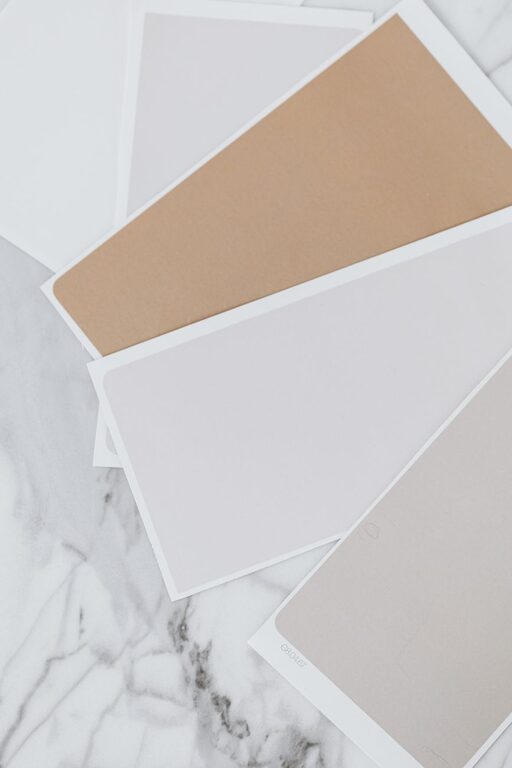
Creating a calm and serene environment in your home starts with thoughtful color choices. Colors have a powerful impact on mood and atmosphere, so selecting calm hues can help transform your living space into a peaceful retreat. Whether you’re repainting a single room or redecorating your entire home, these tips will guide you in choosing colors that promote relaxation and comfort.
Why Choose Calm Colors?
Calm colors are typically soft, muted tones that soothe the senses rather than overwhelm them. They help reduce stress, improve focus, and create a welcoming ambiance. Common calm colors include gentle blues, soft greens, warm neutrals, and pale lavenders. These hues work well in bedrooms, living rooms, and any space where you want to encourage restfulness.
Tips for Choosing Calm Colors
1. Consider the Mood You Want to Create
Start by thinking about how you want each room to feel. For example:
– Relaxing and restful: Soft blues or greens can promote tranquility.
– Warm and cozy: Beige, taupe, and light browns invite comfort.
– Fresh and airy: Light grays and whites make a space feel open and clean.
Knowing the mood will help narrow down color options that best serve your goals.
2. Test Colors in Different Lighting
Colors can look very different depending on the type of light and time of day. Before committing, paint sample swatches on your walls and observe them in:
– Morning natural light
– Afternoon sunlight
– Artificial lighting in the evening
This practice helps you choose a shade that remains calm and appealing throughout the day.
3. Use Neutral Bases with Calming Accents
A neutral base color like soft white, cream, or light gray creates a versatile backdrop. You can then add calm accent colors through décor such as pillows, curtains, artwork, or rugs. This approach lets you adjust the mood seasonally or whenever you want a refresh without repainting.
4. Embrace Soft, Muted Tones
Bright and saturated colors tend to energize rather than calm. Look for hues with gray or beige undertones that reduce intensity. Some calming options include:
– Dusty blue or slate blue
– Sage or olive green
– Lavender gray or soft mauve
– Warm sand or oatmeal
Muted colors blend easily and maintain a peaceful vibe without feeling dull.
5. Coordinate with Natural Elements
Incorporating colors found in nature fosters a soothing environment. Earthy tones like soft greens, sandy browns, and sky blues connect indoor spaces to the outdoors. Consider matching wall colors to:
– The color of leaves and plants
– The hue of a blue sky or calm water
– The warm tones of wood and stone
This connection often evokes a sense of balance and wellbeing.
6. Keep Color Flow Consistent
For a calm overall atmosphere, maintain a consistent color palette throughout connected spaces. Choose complementary calm colors for adjoining rooms to create harmony. Avoid sharp contrasts or overly bold changes that can disrupt the peaceful flow.
7. Consider the Room’s Purpose
Different rooms benefit from different calming hues based on function:
– Bedroom: Soft blues, gentle greens, or pale lavenders create restful energy.
– Living room: Warm neutrals or muted blues work well for cozy yet calming social areas.
– Bathroom: Light greens or seafoam blues evoke freshness and relaxation.
– Home office: Cool grays or soft taupes help maintain focus without feeling sterile.
Matching color choice to the room’s purpose enhances its calming effect.
Additional Tips for a Calmer Home
Use Matte or Satin Finishes
Glossy paints reflect light and can feel busy. Matte or satin finishes have a softer appearance that complements calm colors by reducing glare and creating a smooth texture.
Add Soft Textures and Natural Materials
Pair calm colors with textures like linen curtains, wool rugs, or wooden furniture. These tactile elements invite relaxation and add warmth to the visual calmness.
Don’t Overdo It
Avoid overloading spaces with too many colors or patterns. Simplicity is key to calm. A limited palette of two or three coordinated colors typically works best.
Final Thoughts
Choosing calm colors for your home is a rewarding way to create a peaceful sanctuary. By considering mood, lighting, natural inspiration, and room function, you can select hues that bring comfort and serenity to your living space. Remember to test samples and keep your color scheme cohesive for the best results. With a thoughtful approach, your home can become a haven of calm and relaxation.