
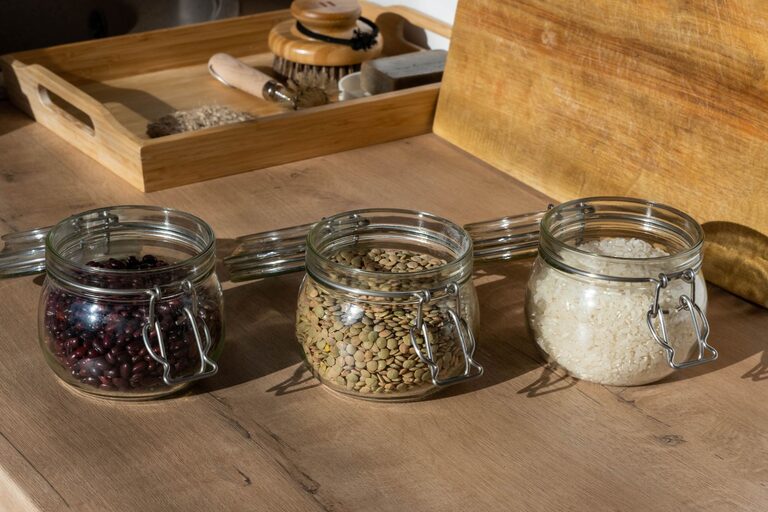
When life gets busy, cooking from scratch can feel like a challenge, but having a well-stocked pantry can make mealtime easier and more enjoyable. Planning meals from pantry staples not only saves money but also reduces grocery trips and food waste. Whether you’re new to cooking or looking to simplify your routine, this guide will help you make the most of what you have on hand.
Why Plan Meals From Pantry Staples?
Pantry staples are non-perishable or long-lasting ingredients that form the foundation of many meals. Items like dried beans, rice, canned tomatoes, pasta, spices, and oils are versatile and can be combined in countless ways. Planning meals around these staples offers several benefits:
– Saves Time: Less time deciding what to cook and fewer trips to the store.
– Reduces Waste: Using ingredients you already have avoids spoilage.
– Cost-Effective: Buying staple items in bulk or on sale stretches your budget.
– Boosts Creativity: Encourages you to try new recipes and flavor combinations.
Step 1: Take Inventory of Your Pantry
Start by surveying your pantry to know exactly what you have. Organize your shelves and make a list of:
– Grains (rice, pasta, quinoa)
– Canned goods (beans, tomatoes, vegetables)
– Baking essentials (flour, sugar, baking powder)
– Cooking oils and vinegars
– Spices and dried herbs
– Broths and stocks
– Nuts, seeds, and dried fruits
Keep this list visible or stored on your phone so you can reference it anytime you plan meals.
Step 2: Identify Meal Types You Can Make
With your inventory in hand, think about the types of meals you can create. Pantry staples can be the base or complement in dishes like:
– Soups and Stews: Use canned beans, broth, canned tomatoes, and spices.
– Pasta Dishes: Combine pasta with canned tomatoes, olive oil, garlic powder, and herbs.
– Rice Bowls: Top cooked rice with canned beans, salsa, and spices.
– Stir-Fries: Mix rice or noodles with canned vegetables and sauces.
– Baked Goods: Use flour, sugar, and baking powder for bread, muffins, or pancakes.
– Salads: Add nuts, seeds, and dried fruit for texture and flavor.
Step 3: Plan Balanced Meals
A balanced meal generally includes a protein, carbohydrate, and vegetables or fruits. When planning from pantry staples, consider:
– Protein: Canned beans, lentils, chickpeas, or canned tuna.
– Carbs: Rice, pasta, quinoa, or potatoes.
– Vegetables: Canned or frozen vegetables, or fresh produce you already have.
– Flavor Enhancers: Spices, herbs, sauces, and condiments.
For example, a simple chickpea stew with canned tomatoes, onions, spices, and rice can be filling and nutritious.
Step 4: Create a Weekly Meal Plan
Try to sketch out a meal plan for the week based on your pantry staples and whatever fresh ingredients you have. Keep these tips in mind:
– Mix and Match: Use the same staple in different ways to avoid repetition.
– Batch Cook: Make larger portions of soups or stews to save time later.
– Prep Ahead: Chop onions, measure spices, or cook grains in advance.
– Leave Flexibility: Allow a day or two for leftovers or spontaneous meals.
Here’s an example for a simple 3-day plan using pantry staples:
– Day 1: Lentil soup with canned tomatoes and spices, served with bread.
– Day 2: Spaghetti with garlic-olive oil sauce and canned mixed vegetables.
– Day 3: Rice bowl with black beans, salsa, and avocado (fresh or from fridge).
Step 5: Supplement with Fresh or Frozen Items
Pantry staples are great, but fresh or frozen ingredients add vital nutrients and variety. Complement your meals with:
– Fresh veggies like onions, garlic, carrots, or leafy greens.
– Frozen fruits or vegetables for quick additions.
– Fresh herbs or citrus to brighten flavors.
Buying only a few fresh or frozen ingredients each week can elevate pantry-based meals.
Step 6: Keep Your Pantry Well Stocked
After planning and cooking, note anything that runs low or could be added to your pantry. Some essentials to maintain:
– Variety of beans and lentils
– Different types of pasta and grains
– Canned tomatoes and broth
– Cooking oils: olive oil, vegetable oil
– Seasonings: salt, pepper, garlic powder, paprika, dried herbs
– Baking staples: flour, sugar, baking powder
Having a diverse pantry enables more cooking flexibility and fewer last-minute shopping trips.
Bonus Tips for Success
– Label and Date: Keep your pantry organized with labels and expiration dates.
– Use Clear Containers: Store staples like rice, flour, and sugar in clear jars.
– Cook Once, Eat Twice: Double recipes and freeze half for busy days.
– Experiment Gradually: Try new recipes or ingredients slowly to build confidence.
– Keep Simple Tools Handy: A can opener, a good knife, and measuring spoons can speed up meal prep.
Final Thoughts
Planning meals from pantry staples is a practical, budget-friendly way to enjoy home-cooked meals without stress. By knowing what you have, planning ahead, and combining staples with fresh ingredients, you’ll create tasty dishes that nourish your body and satisfy your taste buds. Start with what’s in your pantry today and discover how easy and rewarding cooking can be!